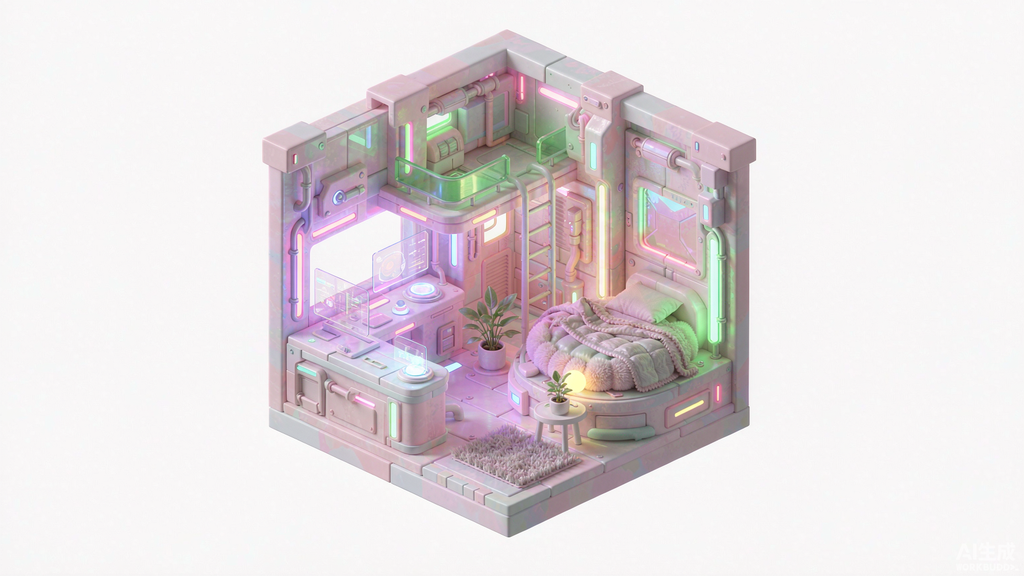
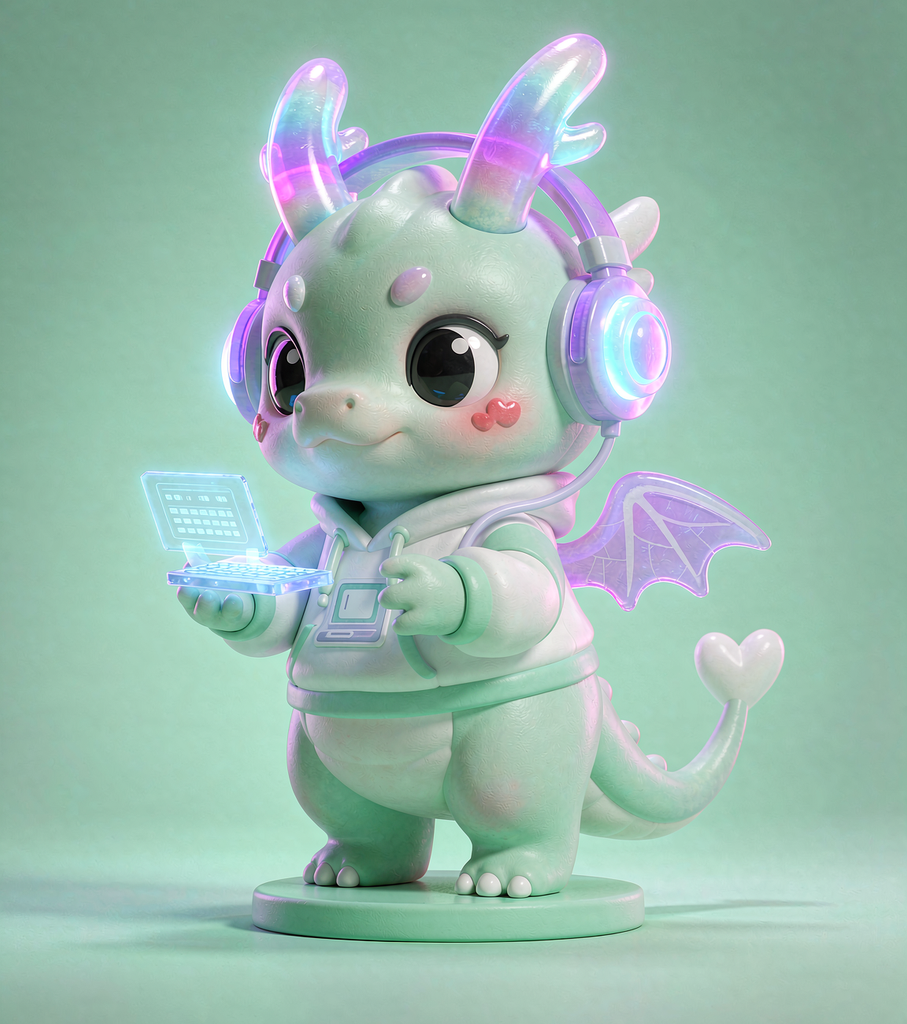
The Y2K revival is now well past its nostalgic phase and into its commercial one, and the reason brands can use it is that the aesthetic already contains a complete visual system: translucent plastic, iridescent film, chrome, bubble shapes, and a bright gradient that feels like a turn of the millennium. It is optimistic in a way that no current aesthetic manages.
That system has one hard requirement — translucency. Holographic surfaces only read if light passes through and around them, which is why flat or matte versions of this style look like ordinary plastic toys. Ask for scattering, refraction, and rainbow edges, and the effect appears immediately.
Y2K aesthetic, a translucent iridescent plastic portable music player with a chrome bubble shaped accessory beside it, holographic surface scattering rainbow refractions along the edges, early 2000s optimism, glossy rounded forms, bright gradient studio backdrop in lilac and mint, product photography, ultra detailed, no text --ar 1:1 --v 7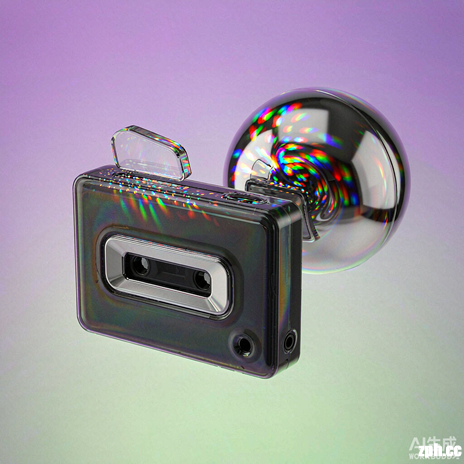
How to Maximize the Results
- Model Version:
--v 7renders the translucent plastic and chromatic edges most accurately. Adding--style rawwill flatten the glow, so skip it here. - Aspect Ratio:
--ar 1:1fits product pages and Instagram squares. Use--ar 4:5for social feed posts or--ar 9:16for short video covers. - Customization: Swap the object for
a translucent frosted handbag,a chrome butterfly keychain,a holographic flip phone, ora pearly flip mobile. Keepholographic surface scattering rainbow refractionsin the prompt — it is the phrase doing the actual work, and removing it kills the entire effect.