Modern image models are too clean for period work by default. Everything looks like it was shot on a digital sensor, no matter how much nostalgia you request. The 1980s film look is one of the most copied aesthetics in AI imagery, and it is also one of the easiest to lose, because “retro” alone tells the model nothing about the actual optics.
The look lives in four things: a specific stock film, anamorphic glass, practical fog, and light that comes from inside the scene rather than from a studio. Name the emulsion — Kodak Vision3 500T — and the colour response, grain structure, and highlight roll-off all shift together in a way no adjective can replicate.
A 1980s dark fantasy film still, a lone swordsman standing inside a ruined stone cathedral, practical creature effects, volumetric fog, dramatic side lighting, Kodak Vision3 500T film grain, anamorphic lens flares, deep shadows, rich jewel tones, dusty atmosphere, cinematic composition, photorealistic --ar 16:9 --v 7 --style raw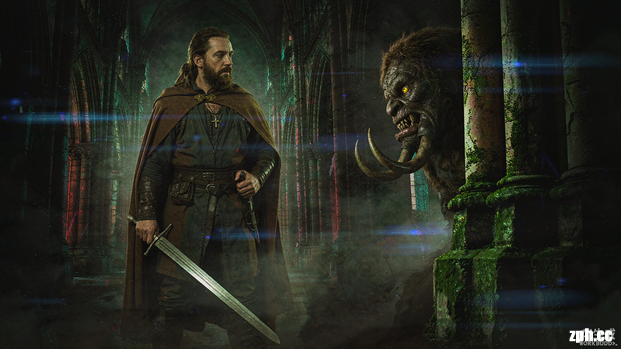
How to Maximize the Results
- Model Version:
--v 7 --style rawsuppresses the model’s default digital sharpness. For a more exaggerated, poster-like result, add--chaos 15to let composition breathe. - Aspect Ratio:
--ar 16:9matches a film frame and works for YouTube thumbnails. Use--ar 2.35:1for a true widescreen cinema crop, or--ar 4:5for streaming posters. - Customization: Swap the scene for
a scientist facing a levitating sphere,a run-down space station corridor, ora neon motel at night. If you want the bright neon register instead of dark fantasy, changeKodak Vision3 500TtoKodak Gold 200and swapdeep shadowsforhazy highlights.